Summer 2026 is already shaping up to be one of the most exciting travel seasons in recent memory. With the FIFA World Cup co-hosted across the USA, Canada, and Mexico, new visa-free travel agreements opening up across Southeast Asia, and a post-pandemic travel boom that shows no signs of slowing, this summer is the season to explore.
Whether you're chasing white-sand beaches, ancient history, mountain trails, or big-city adventures, we've pulled together the top summer destinations for 2026, along with everything you need to know to stay connected on the road. Because let's be honest: no one wants to land in a new country and immediately start hunting for a SIM card.
Using eSIM technology, you can activate a local data plan before your flight even takes off. No queues. No plastic cards. Just instant connectivity. Here's where to go this summer and how to stay connected when you get there.
The Top Summer 2026 Travel Destinations
Here's a quick overview of this year's hottest destinations and what you can expect to spend:
Rank | Destination | Avg. Daily Budget | eSIM From |
1 | Greece | $80–120 | $4 |
2 | Japan | $70–100 | $5 |
3 | Italy | $85–130 | $4 |
4 | USA | $100–180 | $8 |
5 | Thailand | $35–65 | $2 |
6 | Mexico | $45–80 | $3 |
7 | Croatia | $75–110 | $4 |
8 | Indonesia (Bali) | $40–70 | $3 |
9 | Portugal | $70–100 | $4 |
10 | Morocco | $40–70 | $3 |
Let's dive in to a more detailed exploration of 2026's best summer destinations.
1.Greece: $80–120 per day
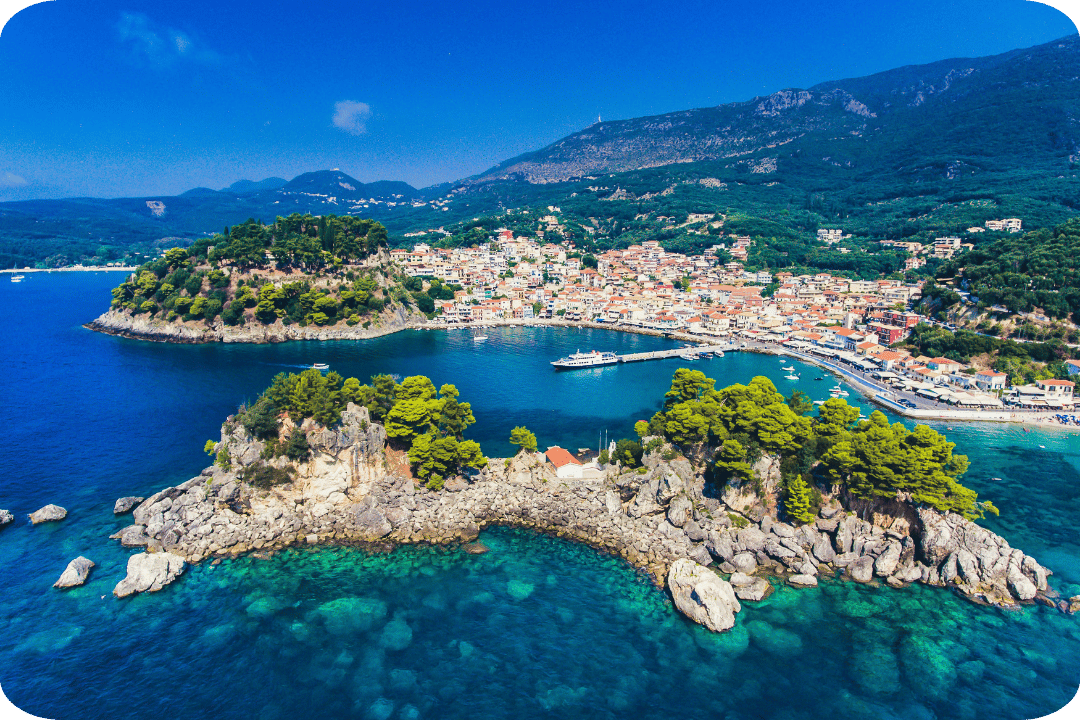
Greece is the undisputed queen of European summer travel, and 2026 is no exception. The country draws millions of visitors to its sun-bleached islands, ancient ruins, and extraordinarily good food. Santorini and Mykonos remain perennially popular, but savvy travellers are increasingly heading to lesser-known gems like Naxos, Milos, and the Peloponnese peninsula.
 Top things to do in Greece:
Watch the sunset from Oia, Santorini's most photographed village
Explore the Acropolis and Parthenon in Athens before the summer heat kicks in
Swim in the volcanic hot springs near Palea Kameni
Hike the Samaria Gorge in Crete — 16km of spectacular scenery
Visit Meteora, where monasteries are perched atop towering rock pillars
Average costs for travelling in Greece:
Accommodation: Budget rooms from $40/night; mid-range hotels $80–150
Food: Taverna meals $10–20; street gyros $3–5
Transport: Ferries between islands $20–50; local buses $2–5
Activities: Acropolis entry $30 for adults but free for children; most beaches are free
See our top deals to stay connected in Greece with an eSIM from Which eSIM. Or, for more information on where to visit in Greece, check out our ultimate Greece summer travel guide here.
2. Japan: $70–100 per day
Japan has increasingly become one of the world's most talked-about travel destinations in the last several years, driven largely by an extremely favourable exchange rate for Western visitors. Japan's cultural richness, with its ancient temples, bullet trains, extraordinary food, paired with modern convenience and growing influence on fashion and street-style, makes it endlessly compelling for all. Summer brings vivid festivals (matsuri), fireworks displays, and is the perfect time for incredible mountain hiking routes.
 Top things to do in Japan:
Explore the temples of Kyoto: Fushimi Inari, Kinkaku-ji, and Arashiyama bamboo grove
Visit Hiroshima and the Miyajima island torii gate
Attend a summer matsuri festival, Gion Matsuri in July is unmissable
Day-trip to Hakone for views of Mount Fuji
Eat your way through Osaka's Dotonbori district
Average costs for travelling in Japan:
Accommodation: Capsule hotels from $30/night; guesthouses $50–80
Food: Ramen or sushi sets $8–15; convenience store meals $4–6
Transport: Shinkansen passes from $270/week (excellent value)
Activities: Most temples $5–10 entry
Find out how you can stay connected in Japan with an eSIM from Which eSIM. To explore more must-visit locations in Japan, check out our 2026 Japan travel guide here.
3. Italy: $85–130 per day
Being a travel bucket-list item for many, Italy needs no introduction as a summer destination. Rome, Florence, the Amalfi Coast, and the Venetian lagoon have drawn visitors from every corner of the earth for decades, and for good reason. In 2026, Sicily is set to have a particularly strong moment, emerging as a destination in its own right with world-class food, baroque architecture, and beaches that arguably rival anywhere in the Mediterranean.
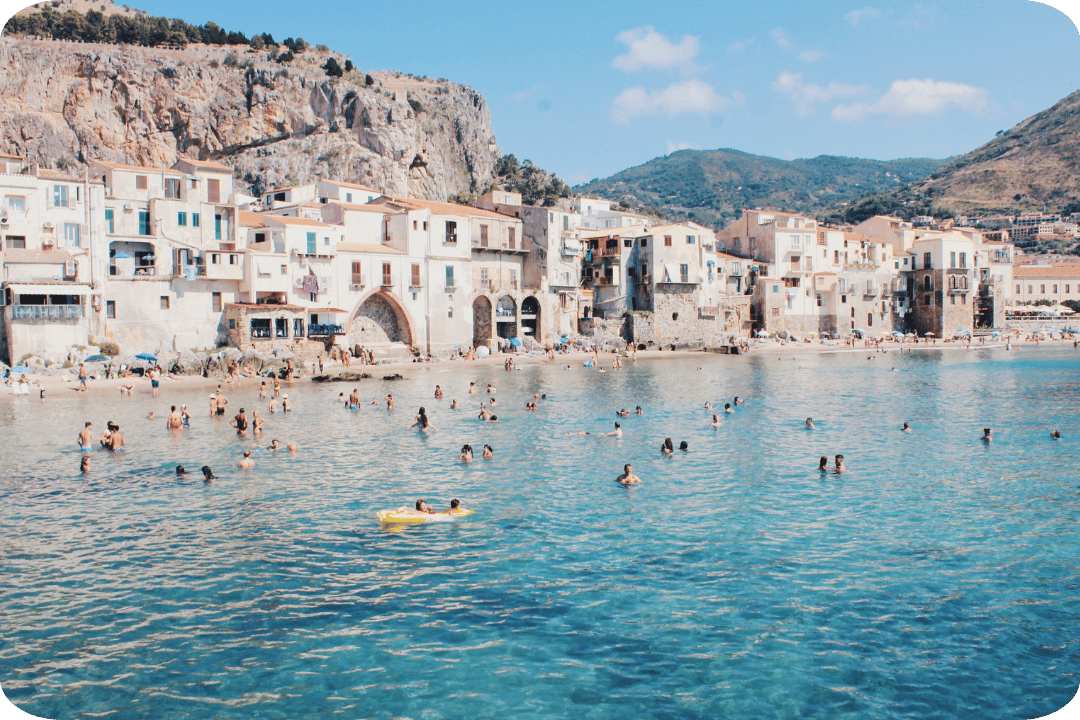 Top things to do in Italy:
Throw a coin in the Trevi Fountain and explore the Colosseum in Rome
Take a boat trip along the Amalfi Coast between Positano and Ravello
Hike up Mount Etna, Europe's largest active volcano, in Sicily
Wander the canals of Venice at dawn — before the crowds arrive
Take a cooking class in Tuscany and learn to make fresh pasta
Average costs for travelling in Italy:
Accommodation: Hostels from $35/night; hotels $90–160
Food: Pizza and pasta $10–18 at a trattoria; street food $4–8
Transport: Regional trains $15–40; city buses $1.50
Activities: Colosseum $18; Uffizi Gallery $25
Look for your ideal eSIM deal to stay connected in Italy from Which eSIM. For more information on where you can go, and what to do, in Italy check out our article here.
4. USA: $100–180 per day
This summer, the United States is hosting the FIFA World Cup, and that alone makes it one of the most exciting places to be on earth this season. But beyond soccer fever, the USA offers an almost overwhelming variety of experiences: from the neon sprawl of Las Vegas to the serene silence of the national parks, the cultural buzz of New York to the beach culture of Miami, the USA has it all.
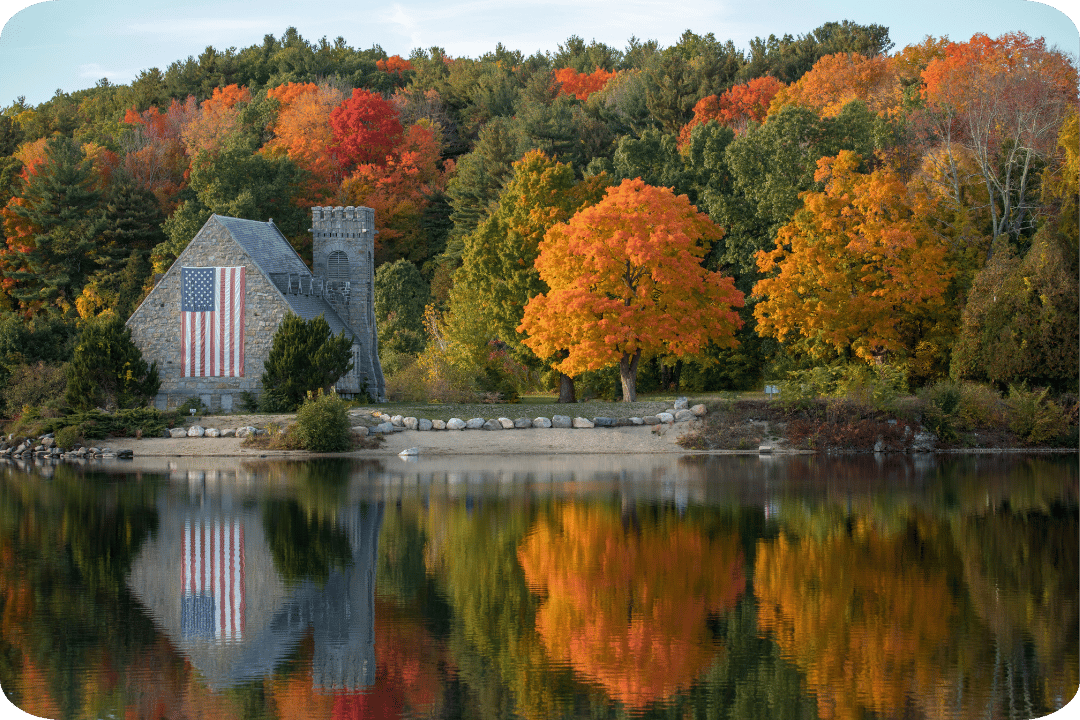 Top things to do:
Catch a FIFA World Cup match in New York, Los Angeles, Miami, or Dallas (if you're prepared to spend $$ for the experience, why not?)
Hike the Grand Canyon's Bright Angel Trail in the cooler early morning
Road trip along the Pacific Coast Highway from San Francisco to LA
Explore New York City's five boroughs by subway
Visit Yellowstone National Park for geysers, hot springs, and wildlife
Average costs:
Accommodation: Hostels from $40/night; hotels $120–250
Food: Casual dining $15–25; fast food $8–12
Transport: Domestic flights from $60; car rental from $40/day
Activities: National parks $35 per vehicle; many city museums free
See how you can stay connected while travelling in the USA with an eSIM from Which eSIM. Feeling World Cup fever, or looking forward to a scenic road-trip through the States? We've put together an article with some of the USA's must-see locations here.
5. Thailand: $35–65 per day
Thailand remains one of the most consistently rewarding travel destinations in the world, offering extraordinary value for money alongside genuinely world-class beaches, food, and culture. Summer (May–August) is technically the rainy season in the Andaman coast, but the Gulf of Thailand islands (Ko Samui, Ko Phangan, Ko Tao) enjoy dry, sunny weather and are at their least crowded.
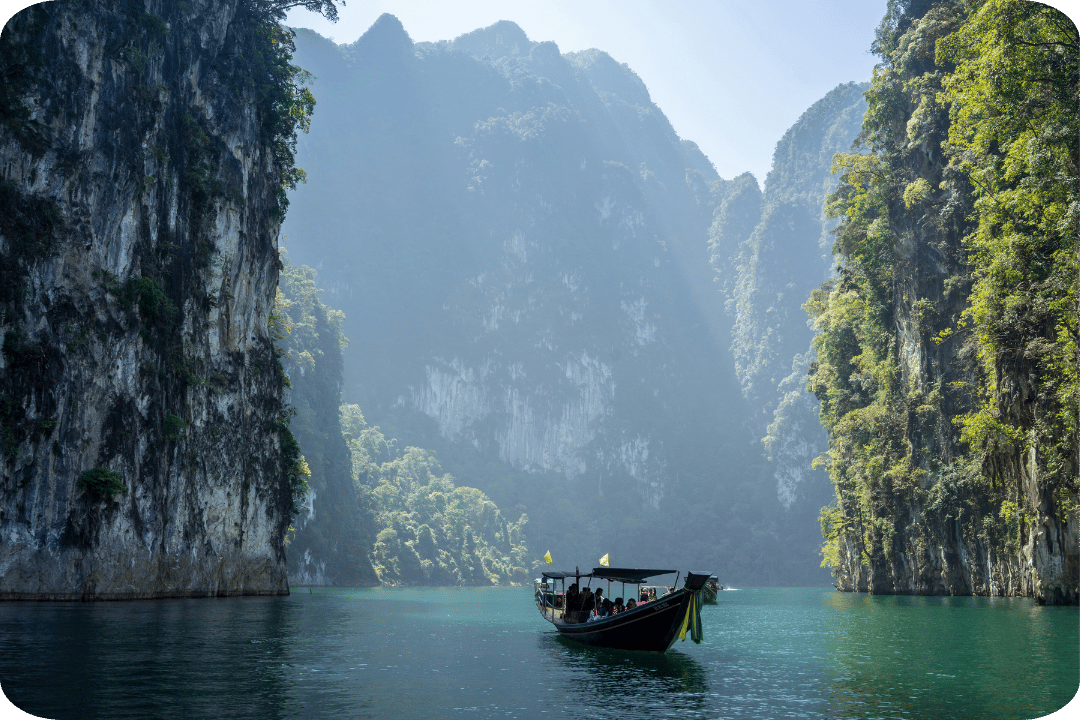 Top things to do in Thailand:
Explore the temples of Chiang Mai: Doi Suthep is the must-visit
Island-hop in the Gulf of Thailand: Ko Tao for diving, Ko Phangan for beaches
Take a Thai cooking class in Bangkok's Banglamphu district
Visit the ancient ruins of Ayutthaya, a UNESCO World Heritage Site
Kayak among the limestone karsts of Phang Nga Bay
Average costs for travelling in Thailand:
Accommodation: Guesthouses from $8/night; mid-range $25–50
Food: Street pad thai or som tum $1.50–3; restaurant meals $5–12
Transport: Tuk-tuks $2–5; overnight trains $10–20
Activities: Temple fees $2–5; diving day trips $50–80
Find the best deals to stay connected in Thailand using Which eSIM. To learn more about where to visit and what to do in Thailand, click here.
6. Mexico: $45–80 per day
Mexico is a FIFA World Cup co-host in 2026, meaning Mexico City will be especially vibrant this summer. But Mexico is much more than soccer. Oaxaca is a destination for food and craft lovers, the Yucatán Peninsula offers the world's best cenote swimming, and Tulum is a sophisticated destination with excellent dining and wellness retreats.
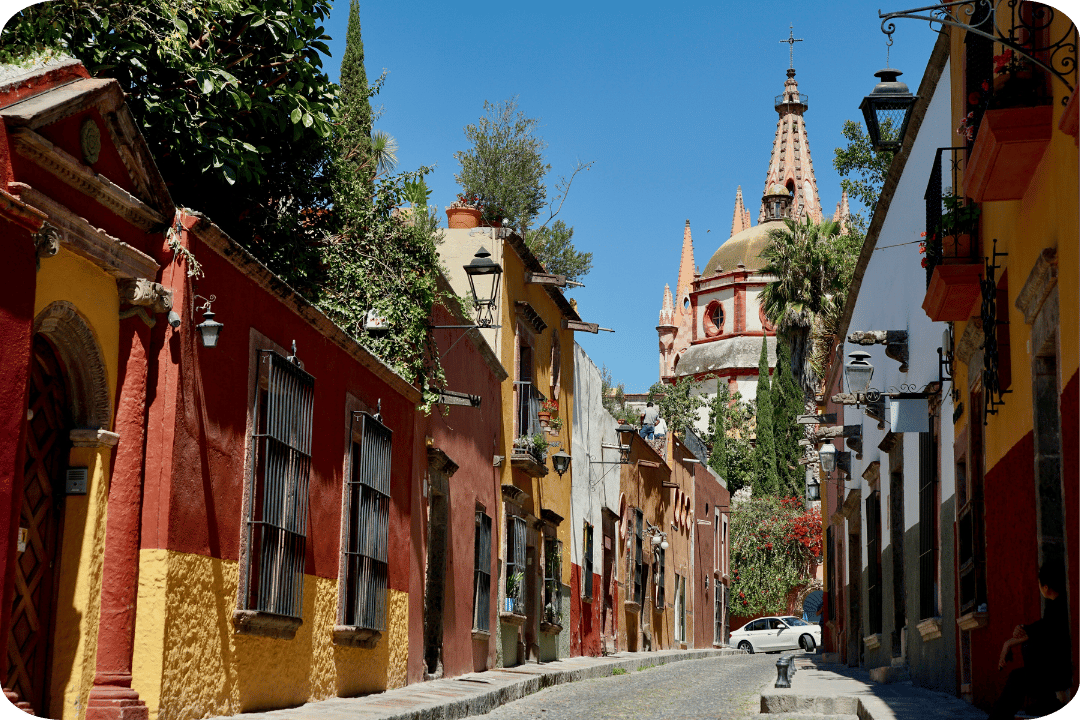 Top things to do in Mexico:
Explore the ancient pyramid complex of Teotihuacán, just outside Mexico City
Swim in the crystalline cenotes of the Yucatán Peninsula near Tulum
Visit the markets and mezcal bars of Oaxaca City
Watch grey whales in Baja California (late season, through March)
Snorkel the Mesoamerican Barrier Reef off the coast of Quintana Roo
Average costs for travelling in Mexico:
Accommodation: Hostels from $12/night; boutique hotels $50–120
Food: Street tacos $0.50–1.50 each; sit-down meals $8–20
Transport: ADO buses $10–30 between cities; metro $0.25
Activities: Teotihuacán $4; cenote entry $10–20
You can find the best deals to stay connected in Mexico with Which eSIM.
7. Croatia: $75–110 per day
Croatia's Dalmatian Coast is one of Europe's most beautiful coastlines, and summer brings it to life. The country has invested heavily in sustainable tourism, with new ferry routes and visitor management at its most popular sites. Dubrovnik remains the star attraction, but cities like Split, Hvar, and Korčula offer equally compelling experiences with fewer crowds.
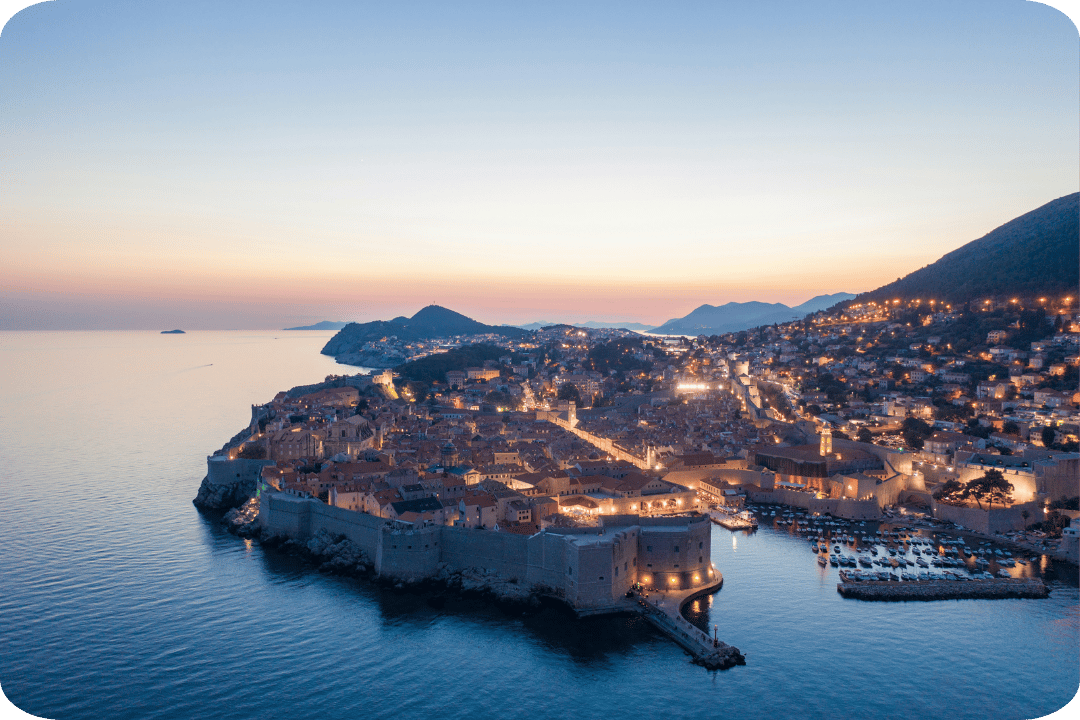 Top things to do in Croatia:
Walk Dubrovnik's medieval city walls at sunrise to beat the heat and crowds
Island-hop from Split to Hvar, Brač, and Vis by ferry
Swim in the emerald lakes of Plitvice Lakes National Park
Explore Diocletian's Palace in Split — still a living, breathing city centre
Take a day trip to Montenegro's Bay of Kotor for dramatic scenery
Average costs for travelling in Croatia:
Accommodation: Hostels from $25/night; apartments $60–120
Food: Grilled seafood $15–25; pizza and pasta $8–15
Transport: Ferries $5–20; local buses $2–4
Activities: Dubrovnik walls $35; Plitvice National Park $20–40
Stay connected in Croatia for less: find an eSIM from Which eSIM.
8. Indonesia (Bali): $40–70 per day
Bali has long been the darling of the digital nomad and backpacker crowds, but in 2026 it's set to attract a broader range of travellers drawn by its spiritual culture, exceptional food scene, and some of the world's best surf. Beyond Bali, the Indonesian archipelago offers extraordinary variety: the komodo dragons of Flores, the jungle of Borneo, and the untouched beaches of the Gili Islands.
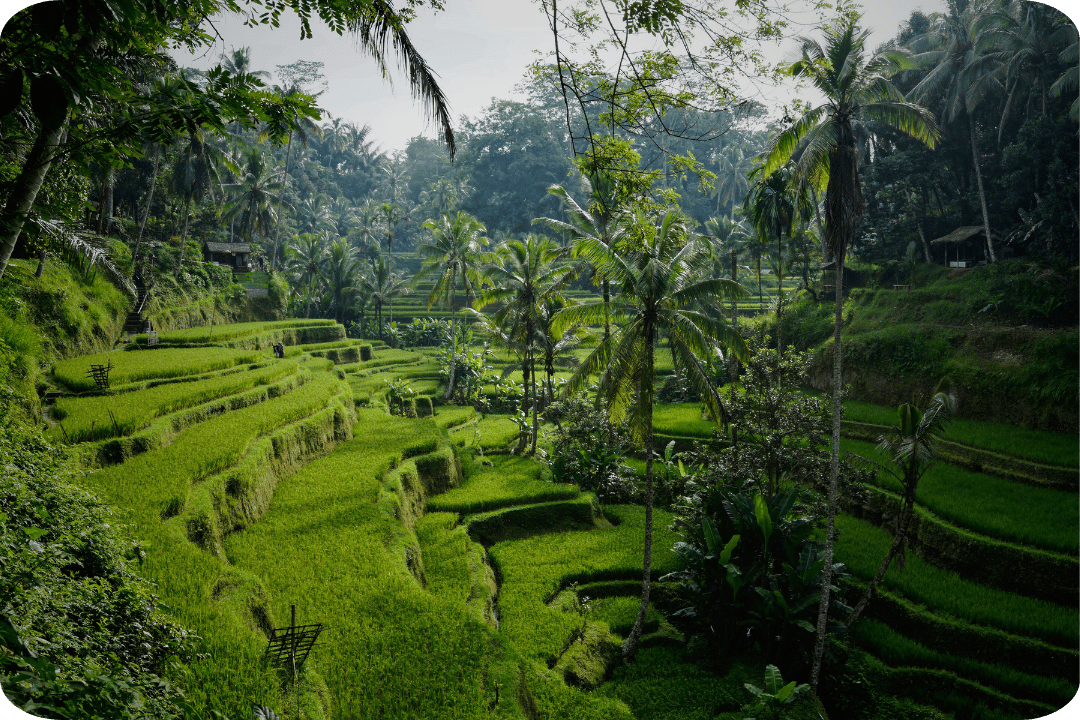 Top things to do in Bali:
Watch the sunrise from the rim of Mount Batur, Bali's active volcano
Visit the water temple of Pura Ulun Danu Bratan in the highlands
Surf the legendary breaks of Uluwatu and Canggu
Take a cooking class and visit a traditional market in Ubud
Snorkel or dive the Gili Islands for turtles and coral reefs
Average costs for travelling in Bali:
Accommodation: Guesthouses from $12/night; villas from $50
Food: Nasi goreng and satay $2–4; western cafés $8–15
Transport: Scooter rental $5–8/day; airport taxis $15
Activities: Temple entry $2–5; surf lessons $25–40
See our top eSIM deals for staying connected in Indonesia.
9. Portugal: $70–100 per day
Over the years, Portugal has quietly become one of Europe's most beloved travel destinations, and in 2026 it's showing no signs of falling off the radar. Lisbon and Porto are stunning cities packed with food, music, and history, while the Algarve coastline offers some of Europe's best beaches. Plus, the Douro Valley wine region is arguably one of the most scenic places in all of Europe.
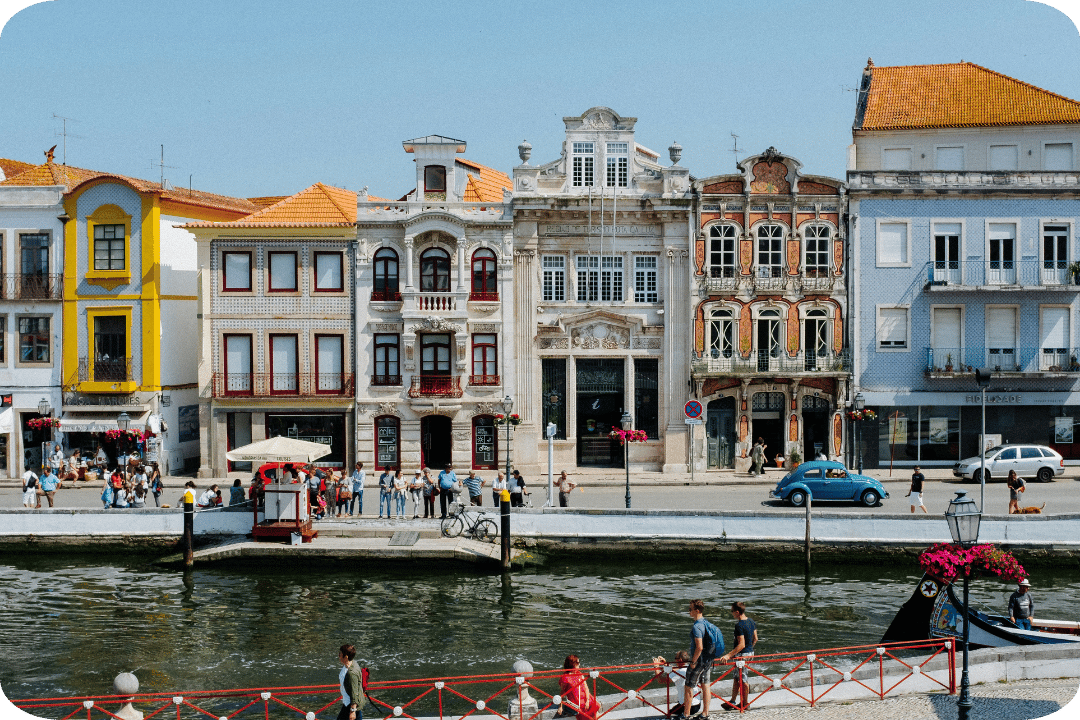 Top things to do in Portugal:
Ride Tram 28 through Lisbon's Alfama neighbourhood to the São Jorge Castle
Visit Sintra's fairy-tale Palácio Nacional da Pena
Take a boat trip through the Benagil Sea Cave on the Algarve coast
Explore the wine cellars of the Douro Valley and Porto's Ribeira waterfront
Day-trip to the royal palace town of Óbidos
Average costs for travelling in Portugal:
Accommodation: Hostels from $20/night; boutique hotels $70–130
Food: Pastel de nata and coffee $2; petiscos (tapas) $3–7
Transport: Metro $2; regional trains $15–30
Activities: Most palaces $10–15; beaches free
Make sure to stay connected in Portugal with an eSIM from Which eSIM.
10. Morocco: $40–70 per day
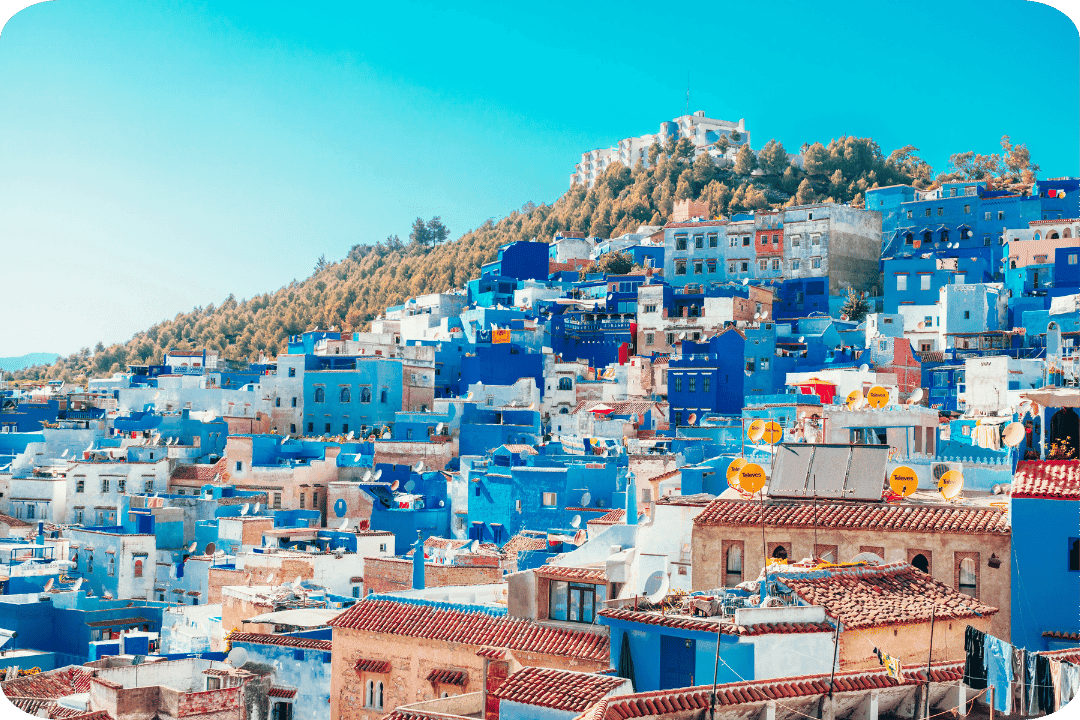
Morocco sits at Europe's doorstep but feels worlds away. In recent years, the country has been riding a wave of tourism momentum, this summer promises to keep it up. The medinas of Marrakech and Fès, the Saharan dunes of Merzouga, and the blue streets of Chefchaouen make Morocco endlessly photogenic and culturally fascinating.
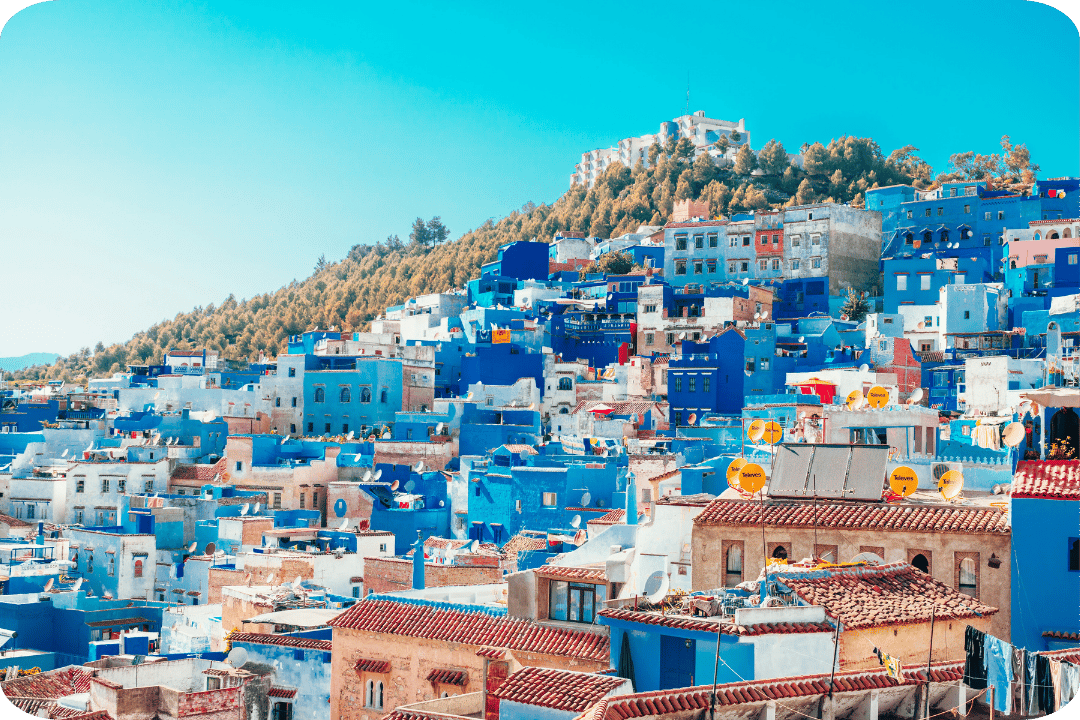 Top things to do in Morocco:
Get lost in the medieval medina of Fès, one of the world's largest car-free urban zones
Spend a night in a desert camp under the Saharan stars near Merzouga
Visit the Majorelle Garden and Yves Saint Laurent Museum in Marrakech
Explore the blue-painted streets and staircases of Chefchaouen
Shop for spices, lanterns, and leather goods in a Marrakech souk
Average costs for travelling in Morocco:
Accommodation: Riads from $20/night; mid-range $50–90
Food: Tagine and couscous $5–10; street food $1–3
Transport: CTM buses $8–20; petit taxis $2–5
Activities: Museum entries $2–8; Sahara tours from $80/night
Find the best prices to stay connected in Morocco with an eSIM from Which eSIM. We've put together a more detailed guide on where to visit in Morocco, to learn more, check it out here.
Why an eSIM is Your Best Travel Companion in 2026
Before you jet off to any of these destinations, there's one thing every smart traveller does: sort their connectivity before they land.
An eSIM is a digital SIM card embedded in your phone. Instead of hunting for a local SIM at the airport (often overpriced, always time-consuming), you buy an eSIM plan online, scan a QR code, and activate it the moment you land. Or even before you take off.
Not sold? Here are some benefits of eSIMs:
No physical card to lose. Your SIM lives in your phone's software, not your wallet.
Activate before you fly. Have data working the second you land.
Keep your home number active. eSIMs run alongside your regular SIM.
Flexible plans. Buy a week, two weeks, or a month... Whatever fits your trip.
Competitive pricing. Plans have dropped significantly in price across all major destinations.
Summer 2026 offers an extraordinary range of travel experiences. From the ancient ruins of Greece and Japan to the Saharan dunes of Morocco, from the FIFA World Cup excitement of the USA and Mexico to the serene island life of Bali. Whatever your travel style, there's a destination on this list calling your name.
And wherever you go, Which eSIM has you covered. Browse our full range of destination eSIM plans, compare data packages, and activate your plan before you even pack your bag.
Frequently Asked Questions
Which summer 2026 destination is best for budget travellers?
Thailand and Morocco offer the best value, with daily budgets as low as $35–40 including accommodation, food, and activities. Indonesia (Bali) and Mexico are close runners-up, especially if you stay in guesthouses and eat local food.
Do I need an eSIM for every country I visit?
Not necessarily. If you're travelling through multiple European countries, a single EU regional eSIM can cover you across Greece, Italy, Portugal, and Croatia all in one plan. For multi-continent trips, a global eSIM may be the most convenient option.
Which 2026 destinations have the best mobile coverage?
Japan and the USA have the most reliable 5G networks. Europe (Greece, Italy, Portugal, Croatia) has excellent 4G coverage across tourist areas. Thailand, Indonesia, and Mexico have strong coverage in cities and tourist areas, with patchier signal in remote regions.
Is it safe to use public WiFi instead of an eSIM?
Public WiFi is free but comes with real security risks, especially in tourist areas where networks can be easily intercepted. An eSIM gives you your own private, secure data connection without relying on hotel or café WiFi.
How do I get an eSIM from Which eSIM?
Visit whicesim.com, select your destination, choose a plan that fits your trip length and data needs, and follow the QR code activation instructions. The whole process takes less than five minutes.