Japan has been the world's most talked-about travel destination for the last few years, and if you ask us... It's easy to see why. The currency exchange rate has made it one of the most affordable developed countries to visit, the food is world-class at every price point, and the country's infrastructure makes it genuinely easy to navigate even without speaking a word of Japanese, especially if you have reliable mobile data.
An eSIM is, without question, the smartest way to stay connected in Japan. In this guide, we'll cover everything: which eSIM plan to choose, what the coverage is like across Japan's regions, and the best things to do on a summer visit in 2026.
 Why Use an eSIM in Japan?
Japan has some of the world's best mobile infrastructure. Docomo, SoftBank, and au (KDDI) all run extensive 4G and growing 5G networks. For travellers, an eSIM is far more convenient than buying a physical tourist SIM at the airport and increasingly comparable in price.
Benefits of using an eSIM while travelling in Japan:
Activate before you land: have data working when you clear customs
No airport queues: skip the Docomo or SoftBank counters at Narita or Haneda
Competitive pricing: dedicated Japan eSIMs start from around $5 for 1 week
Reliable coverage: 4G virtually everywhere you'd want to go as a tourist
One important note: most Japan eSIMs are data-only and do not include voice calls or SMS. For WhatsApp, Line, and all messaging apps, this is absolutely fine.
Find your Japan eSIM from Which eSIM
Mobile Coverage in Japan
Japan's mobile coverage is outstanding by global standards. Here's what to expect:
Tokyo: Excellent 5G and 4G coverage throughout the city, including the metro
Kyoto & Osaka: Full 4G throughout city centres and major sites
Hiroshima & Fukuoka: Strong 4G coverage
Rural areas & mountains: Coverage drops in some hiking areas (Hakone, Japanese Alps) but most popular hiking routes have reasonable signal
Shinkansen: 4G coverage along bullet train routes; occasional drops in tunnels
For the typical tourist itinerary (Tokyo, Kyoto, Osaka, Hiroshima, Nara) connectivity is essentially seamless.
How Much Does an eSIM for Japan Cost?
Japan eSIM plans offer excellent value, especially given how strong the network is. Typical pricing through Which eSIM:
Plan | Data | Validity | Approx. Cost |
Japan 5GB | 5GB | 15 days | ~$5 |
Japan 10GB | 10GB | 30 days | ~$9 |
Japan Unlimited* | Unlimited | 15 days | ~$16 |
Japan Unlimited* | Unlimited | 30 days | ~$22 |
*Unlimited plans are subject to fair-use policies, typically throttled after 1–3GB per day.
Browse current Japan eSIM deals at whicesim.com
Things to Do in Japan in Summer 2026
Summer in Japan (June–August) is hot and humid, but also one of the most culturally vibrant times to visit. The festival season, called matsuri, runs from June through August, and many of Japan's most famous events take place during these months.
Tokyo
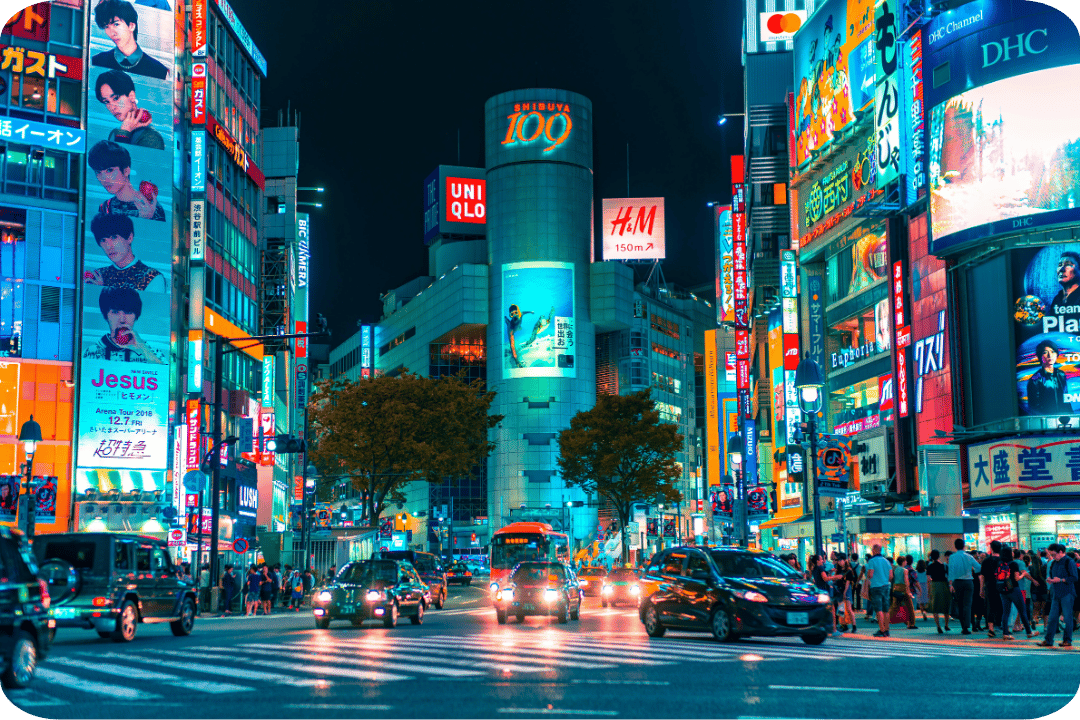 Tokyo is one of the world's great cities. Sprawling, endlessly varied, and surprisingly easy to navigate thanks to one of the best metro systems on earth.
Shinjuku & Shibuya: Tokyo's two most electric neighbourhoods. Shibuya Crossing is the world's busiest pedestrian crossing; Shinjuku's Golden Gai has over 200 tiny bars in a few narrow alleys.
Senso-ji Temple, Asakusa: Tokyo's oldest temple and its most atmospheric. Visit at dawn to see it without crowds.
TeamLab Planets, Toyosu: One of the world's most impressive digital art museums. Book tickets weeks in advance — they sell out. Entry ¥3,200 (~$22).
Tsukiji Outer Market: The tuna auctions moved to Toyosu, but Tsukiji's outer market still has the best breakfast in Tokyo: fresh sushi, tamagoyaki, and matcha everything.
Harajuku & Takeshita Street: Youth fashion, crepe stalls, and the serene Meiji Shrine just a five-minute walk away.
Our summer tip: Tokyo summers are brutal (35°C+ with high humidity). Plan outdoor sightseeing for early morning or evening, and retreat to air-conditioned museums and malls in the afternoon.
Kyoto
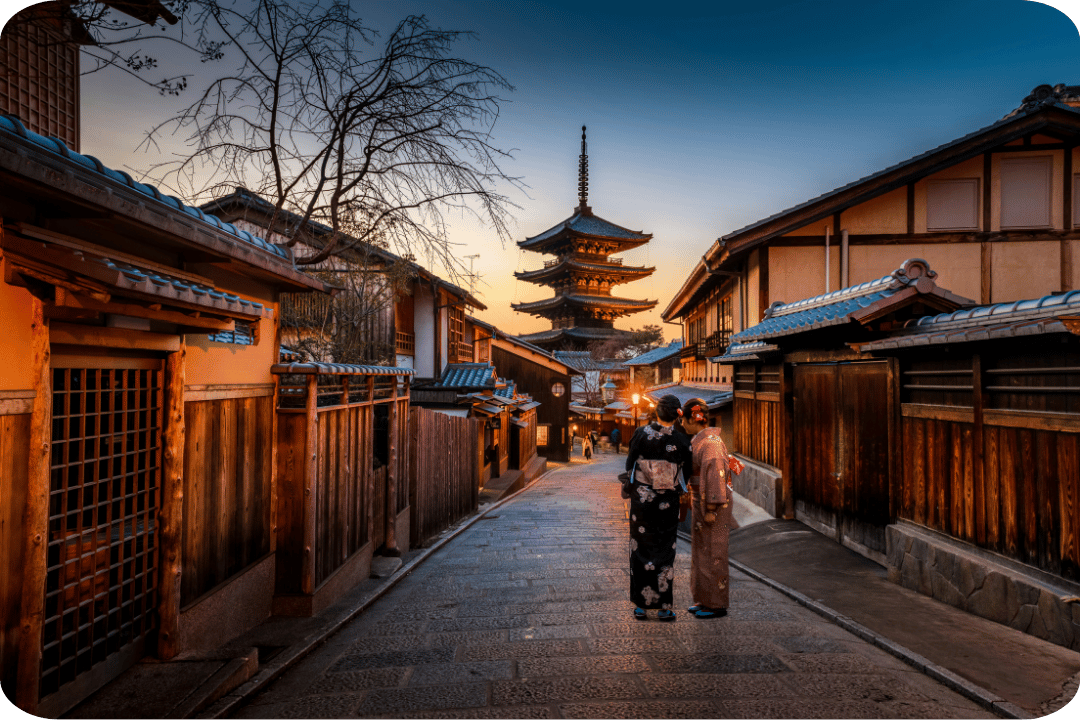
Kyoto is the cultural heart of Japan. A city of over 2,000 temples, traditional geisha districts, and bamboo forests. It's more atmospheric than Tokyo, and arguably more beautiful.
 Fushimi Inari Taisha: The famous shrine with thousands of orange torii gates winding up a mountain. Arrive before 7am or after 6pm to experience it without crowds. Free entry.
Arashiyama Bamboo Grove: A ten-minute walk through towering bamboo, best experienced in morning mist. Free; nearby Tenryu-ji garden charges ¥1,000.
Kinkaku-ji (Golden Pavilion): Japan's most photographed building, a Zen temple covered in gold leaf reflected in a mirror pond. Entry ¥500.
Gion District: Kyoto's geisha neighbourhood. Wander Hanamikoji Street in the evening for the chance to spot maiko (apprentice geisha) heading to appointments.
Philosopher's Path: A 2km stone walkway along a canal lined with cherry trees, connecting several important temples. Beautifully peaceful.
Our summer tip: Gion Matsuri (July) is Japan's most famous festival. The main procession of enormous decorated floats takes place on July 17th, book accommodation months in advance if you want to be here for it.
Osaka
Osaka is Japan's food capital and proudly so. The city has a personality distinct from Tokyo. It's louder, friendlier, and obsessively focused on eating well.
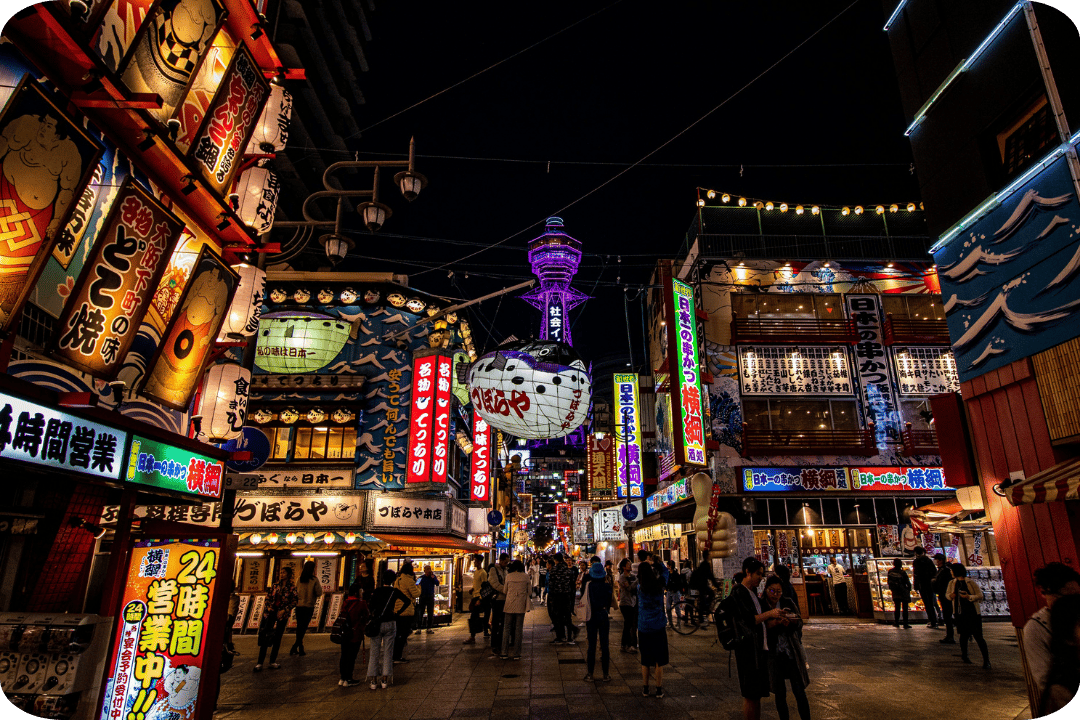 Dotonbori: Osaka's famous entertainment and dining strip, lined with neon signs, takoyaki stalls, and restaurants. The giant Glico Running Man sign is the city's unofficial symbol.
Kuromon Ichiba Market: A 580-stall covered market known as "Osaka's kitchen." Perfect for sampling wagyu beef skewers, fresh seafood, and street food.
Osaka Castle: A magnificent 16th-century castle surrounded by a moat and park. Climb to the top floor for views across the city. Entry ¥600.
Universal Studios Japan: One of the world's best theme parks, with a massive Super Nintendo World and Wizarding World of Harry Potter. Book in advance.
Day trip to Nara: 45 minutes from Osaka by train, Nara has over 1,200 free-roaming deer in its city park, plus the Tōdai-ji temple housing Japan's largest bronze Buddha. Don't miss feeding the deer shika senbei crackers.
Hiroshima & Miyajima
 Hiroshima Peace Memorial Museum: One of the most important and moving museums in the world. Gives essential context to one of history's most significant events. Entry ¥200.
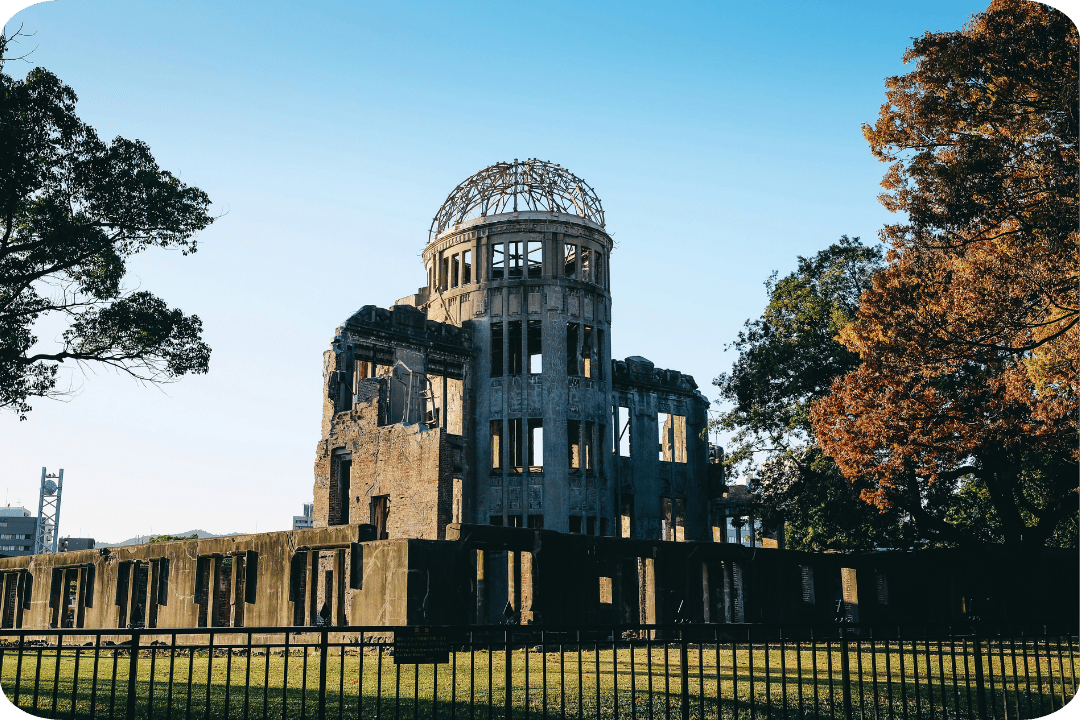
Atomic Bomb Dome: The skeletal remains of the building at the hypocenter of the 1945 explosion. A UNESCO World Heritage Site and a deeply affecting place to stand.
Miyajima Island: A 10-minute ferry from Hiroshima, home to the iconic Itsukushima Shrine with its torii gate rising from the sea. At high tide, the gate appears to float. Entry ¥300.
Itsukushima Shrine: One of Japan's three "views" (Nihon Sankei). Free-roaming deer wander the island alongside tourists.
Hakone & Mount Fuji
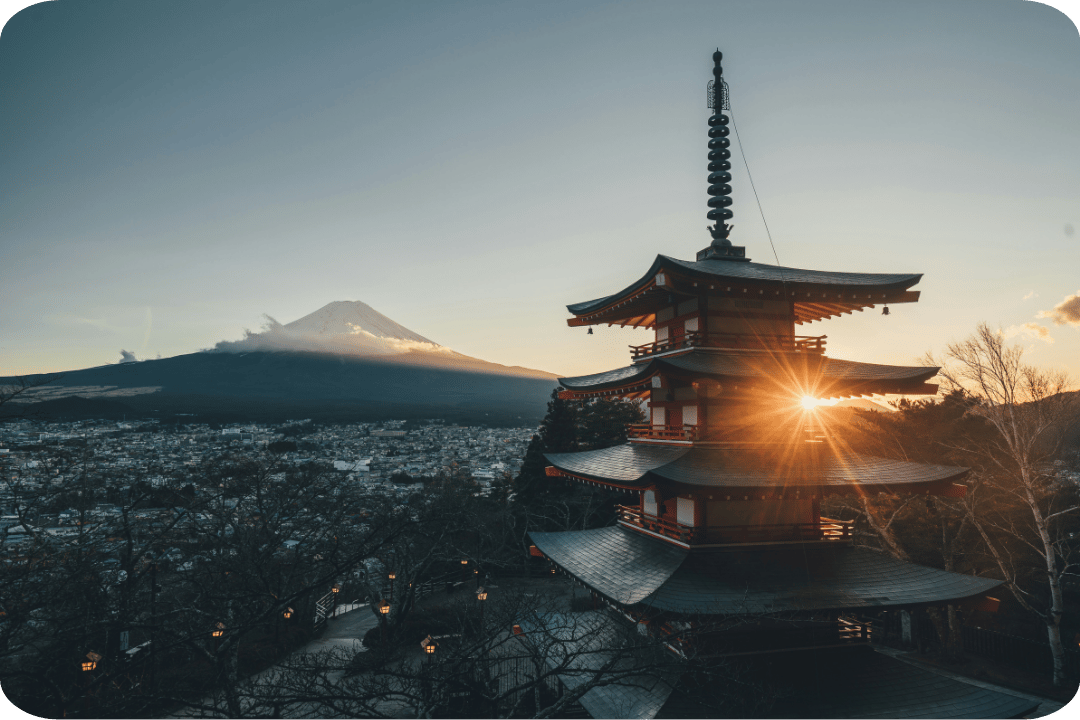
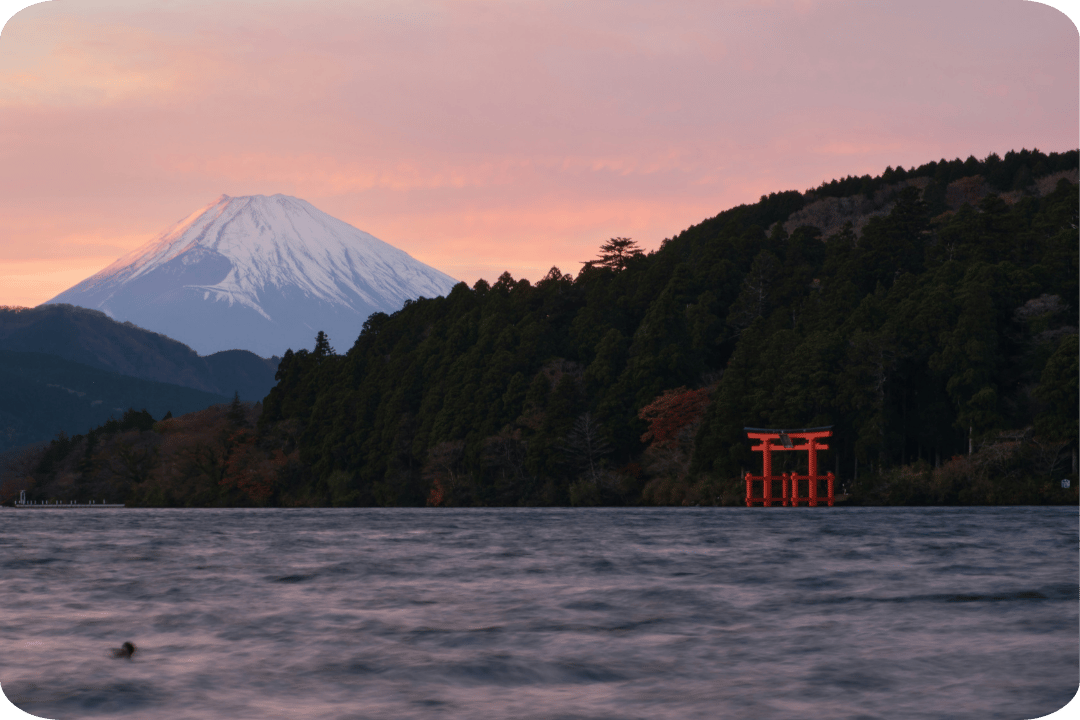 Hakone is a mountain resort town about 90 minutes from Tokyo, and on a clear day it offers some of the most stunning views of Mount Fuji you'll find.
Hakone Open Air Museum: An extraordinary outdoor sculpture park with works by Picasso, Henry Moore, and Rodin, set against mountain scenery. Entry ¥1,600.
Lake Ashi cruise: A tourist boat across the lake framing Mount Fuji. Memorable on a clear morning.
Owakudani volcanic valley: A steaming volcanic landscape where you can eat the famous black eggs (boiled in sulphurous hot springs). Accessible by ropeway.
Onsen experience: Hakone has some of Japan's best hot spring ryokan (traditional inns). Even a day-use onsen is a highlight.
Practical Tips for Japan 2026
IC Card (Suica or Pasmo): Reload a transport card at any station for seamless travel on trains, buses, and even convenience store purchases. You can now add it to Apple Wallet on iPhone.
Cash: Japan remains a largely cash society. Convenience stores (7-Eleven, FamilyMart, Lawson) have ATMs that accept international cards.
JR Pass: If you're travelling between Tokyo, Kyoto, Osaka, and Hiroshima, a 14-day JR Pass pays for itself easily. Buy before you leave home, it's cheaper abroad.
Pocket WiFi vs eSIM: The old standard for tourists in Japan was renting a pocket WiFi device. Using an eSIM is now the simpler, cheaper, and more practical option.
Apps to download: Google Translate (with Japanese downloaded for offline use), Hyperdia or Google Maps for train navigation, Tabelog for restaurant reviews.
Picking Japan for your 2026 summer vacation offers you an intoxicating mix of ancient culture, exceptional food, and hyper-modern cities, and all at a price point that makes it extraordinary value for Western travellers. Whether you're attending a Gion Matsuri festival procession, watching the sunrise over Mount Fuji, or eating your way through Osaka's street food markets, Japan will reward you at every turn.
And you can easily select the best deal for you using Which eSIM's Japan eSIM price comparison page. With an eSIM, you'll have the reliable, fast data you need to navigate, share, and explore, from the moment you land.
Find the best Japan eSIM deal at whicesim.com. If you still haven't decided where you want to go this summer, we've put together a list of the top 2026 summer vacation destinations and how to stay connected at each point.